The Common Mistake: Treating Milia Like Acne
Here’s where many people get stuck. Because milia look like tiny whiteheads, it’s tempting to reach for acne-fighting products or try to pop them. But since they lack a pore opening, forceful extraction can damage the surrounding skin and lead to irritation or permanent marks.
Dermatologists consistently advise against at-home extraction with needles or aggressive scrubbing. Studies on skin barrier function show that unnecessary trauma can delay healing and sometimes create more cysts in the long run.
If you’ve ever tried popping one and felt frustrated when it didn’t work, you’re not alone. The better path starts with gentle habits that support your skin’s natural renewal process.
Why Viral “Overnight” Remedies Often Fall Short
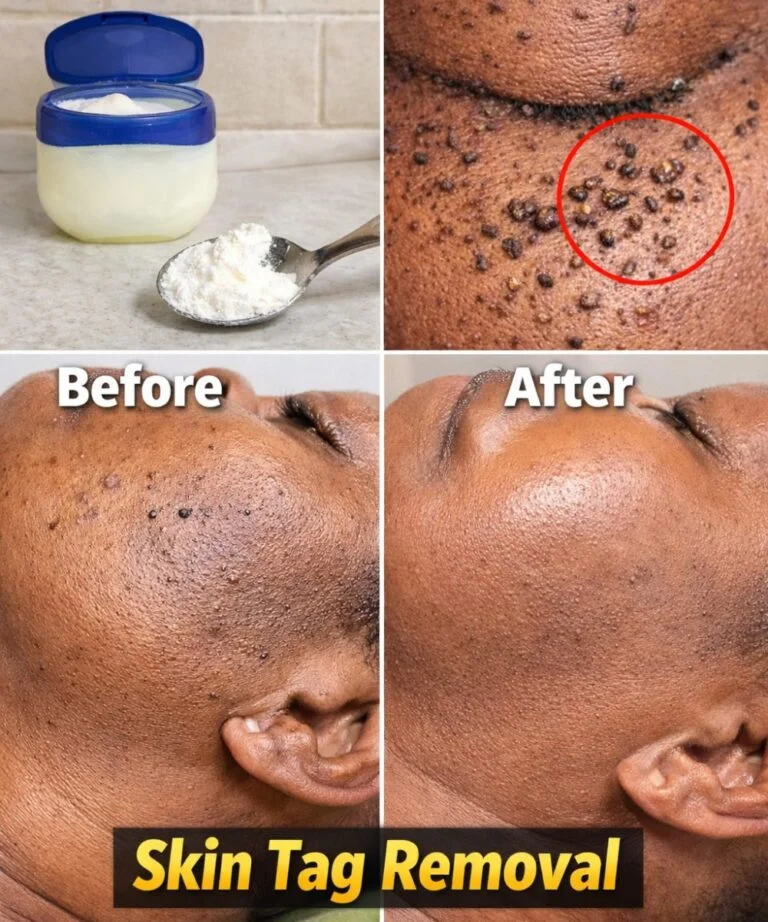
Social media is full of quick-fix recipes—Vaseline mixed with sugar scrubs, baking soda pastes, or coffee grounds promising to dissolve milia overnight. While the intention is good, these approaches often cause more harm than help.
Heavy occlusives like petroleum jelly can trap oil and dead skin, potentially contributing to new milia formation. Abrasive physical scrubs can micro-tear delicate areas, especially around the eyes. Harsh ingredients like baking soda disrupt the skin’s natural pH balance, leading to dryness and sensitivity.
Real patient experiences shared in dermatology forums echo this: many report temporary redness or worsening texture after trying aggressive DIY mixes. The evidence simply doesn’t support these methods for reliable improvement.
Gentle, Evidence-Based Habits to Support Smoother Skin
The most effective strategy is patience combined with consistent, skin-friendly routines. Here are dermatologist-recommended starting points:
- Switch to lightweight, non-comedogenic moisturizers—especially around the eyes—to avoid trapping keratin.
- Incorporate gentle chemical exfoliants like salicylic acid (BHA) or glycolic acid (AHA) 2–3 times per week to encourage natural cell turnover.
- Use retinoids (over-the-counter retinol or prescription options) to promote skin renewal—start slowly to avoid irritation.
- Apply broad-spectrum sunscreen daily—UV damage is a known contributor to secondary milia.
- Warm compresses once or twice a week can soften the skin and make it more receptive to gentle care.
Always patch-test new products and introduce them gradually.
Real Results: Emma’s Gentle Approach
Emma, in her late 50s, had clusters of milia around her eyes that made makeup application tricky. After months of frustration, she switched to a lightweight eye cream, added a mild retinol serum at night, and used a salicylic acid cleanser twice weekly. Within a few months, she noticed gradual improvement and smoother texture. “My friends started asking what I was using—my skin just looked brighter,” she shared. Her experience aligns with what many dermatologists observe: consistency with gentle actives often yields the best long-term outcome.
