1. First Impressions: The Searing Attraction
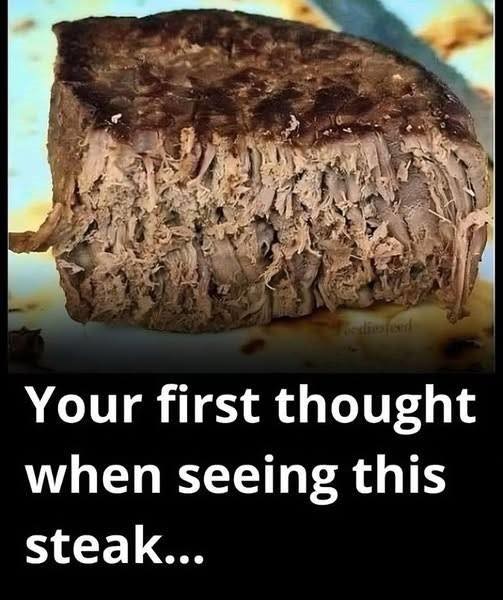
The moment you see a well-cooked steak, your senses are immediately engaged. The deep, brown crust on the outside signals the Maillard reaction, a chemical process that occurs when proteins and sugars in the meat are exposed to high heat. This reaction not only creates a beautiful caramelized appearance but also adds a layer of rich, complex flavor that enhances the entire dish.
The contrast between the crisp exterior and the tender interior adds to the steak’s visual appeal. It’s the kind of dish that draws you in, making you anticipate the flavor explosion with each bite.
2. Marbling: The Secret to Flavor and Tenderness
Marbling, or the white streaks of intramuscular fat within the steak, is a crucial factor in its taste and texture. When cooked, this fat melts and seeps into the meat, keeping it moist and adding a buttery flavor. The presence of marbling is often a key indicator of a high-quality steak, with cuts like ribeye and wagyu known for their generous fat distribution.
The glistening marbled fat makes the steak look juicy even before you take a bite. This visual cue is not just about aesthetics; it’s a promise of tenderness and flavor that few other dishes can deliver.
Cooking Techniques: Bringing Out the Best in Steak
Cooking steak to perfection requires skill and precision. The right techniques can transform a simple cut of meat into a gastronomic masterpiece.
Continued on next page//
For complete cooking times, go to the next page or click the Open button (>), and don’t forget to SHARE with your Facebook friends.
