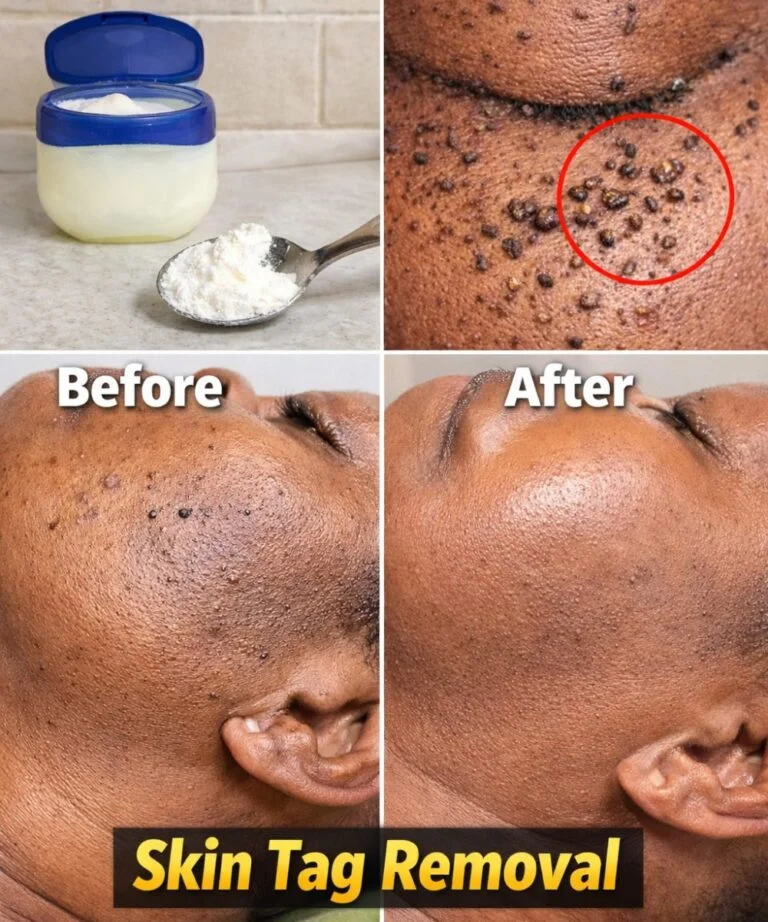
What Exactly Are Milia—and Why Do They Show Up?
Milia are small cysts formed when keratin (a natural protein in your skin) gets trapped beneath the surface. Unlike acne, which involves oil, bacteria, and inflammation in open pores, milia have no opening to the surface. This is why squeezing them rarely works and often leads to redness or scarring.
There are two main types:
- Primary milia: These develop spontaneously, often due to the skin’s natural shedding process slowing down with age.
- Secondary milia: These form after skin trauma, such as burns, blisters, prolonged sun exposure, or the use of heavy, occlusive products.
They’re especially common around the eyes and cheeks because the skin there is thinner and more delicate. Research shows that long-term sun exposure and certain thick creams can contribute to their formation. Many adults over 30 notice them for the first time as skin cell turnover naturally slows.
The important thing to know? Milia are completely harmless and not contagious. But understanding what they are helps you choose kinder, more effective care.
